The Main Reasons for Fashion E-commerce Returns in the U.S.
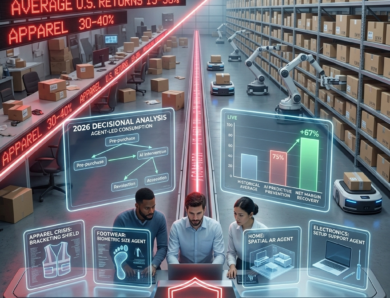
In the U.S. fashion e-commerce market, returns have evolved from a back-office headache into a multi-billion-dollar strategic challenge. With return rates for online apparel often hovering between 20% and 30% (and reaching up to 50% in luxury segments), understanding why these returns happen is the first step toward reclaiming your margins.
1. The “Fit & Size” Discrepancy (The #1 Driver)
Accounting for roughly 44% to 56% of all apparel returns, sizing remains the biggest friction point. Online shoppers cannot physically try on garments, leading to two major behaviors:
- Bracketing: Consumers intentionally purchase multiple sizes of the same item to “try them on at home” and return the ones that don’t fit.
- Size Guide Mismatch: Generic or inaccurate size charts lead to customers ordering the wrong size, causing a “forced” return.
2. Expectation vs. Reality: The “Color Gap”
Nearly 11% to 16% of returns occur because the product received does not match the online description or imagery.
- The “Digital Mirage”: Studio lighting and high-end screen displays can make fabrics appear more vibrant or differently textured than they look under natural light.
- The Trust Gap: When a garment looks like a “different product” upon arrival, the customer loses trust, regardless of the quality.
3. Style & Preference (“It’s Not for Me”)
Accounting for 25% to 38% of returns, this category covers items that are technically correct in size and quality but fail to meet the buyer’s personal preference.
- The “Impulse Buy” Trap: Influencer marketing and social commerce encourage impulsive purchases. Without the tactile experience of a physical store, shoppers often realize the item doesn’t suit their style only after it arrives.
4. Shipping and Fulfillment Errors
A significant portion of returns (up to 13% to 31%) is caused by “unforced errors”:
- Damage in Transit: Poor packaging leads to crushed or stained garments.
- Fulfillment Mistakes: Sending the wrong color, size, or an entirely different item creates an immediate, avoidable return.
- Late Delivery: If an item meant for an event arrives after the date, it is often returned immediately, unused.
5. Consumer Behavior & Policy Abuse
The rise of “wardrobing” (buying an item to wear once for an event and returning it) and the entitlement of free, frictionless returns have normalized serial returning. As U.S. shoppers increasingly treat delivery as their “private dressing room,” brands are struggling to balance a customer-centric experience with the operational costs of reverse logistics.
Key Factors Influencing High Returns
- No Physical Try-On: The inability to feel the fabric or see how it drapes before buying removes a key part of the purchasing decision.
- Free Returns Policies: While they encourage purchasing, they also make it easier for customers to return items.
- Seasonal/Trend-Driven Factors: In industries like fast fashion, the pressure to buy before an item sells out can lead to faster, less considered purchases. (Source: sizebay.com)
The Critical Gap: Beyond Automated Actions
While the industry currently relies on automated “actions” to manage the returns process, these are demonstrably insufficient. They treat the symptoms but ignore the root cause of why a garment doesn’t fit or feel right.
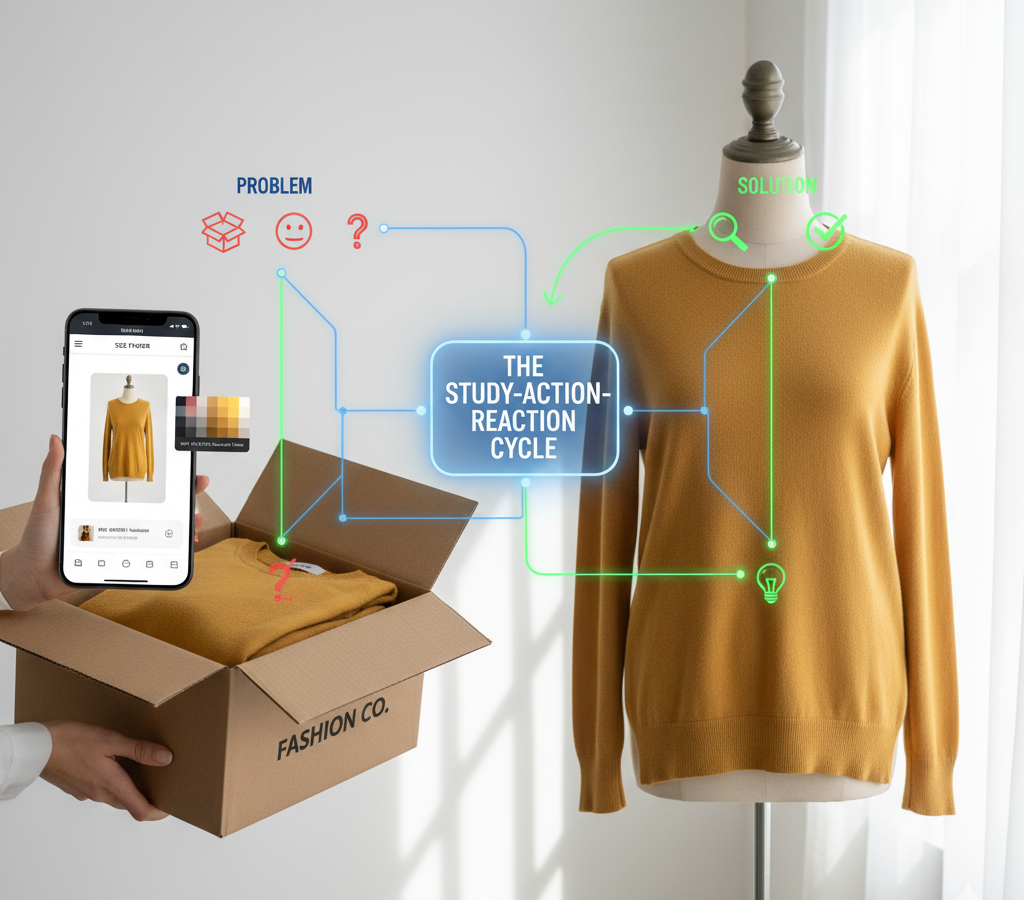
There is a 200% potential for improvement that is currently being ignored. Most e-commerce brands fail to bridge the gap between their data and their product presentation. The path forward is not found in simple automation, but in a disciplined “Study-Action-Reaction” cycle:
- The Reality of Sizing: Size charts cannot remain static. They must become dynamic and exacting, incorporating “special” or “adjusted” fits based on the specific anatomical findings of your customer base.
- The Human Element: Not everything can or should be solved by AI. True optimization requires manual, granular study of return reasons, followed by immediate action in the product catalog, and a constant reaction to new data. If a specific fit consistently fails, the data must force a change in the product’s description and representation before the next sale is even made.