USA E-commerce Return Solutions: Why Custom Operational Engineering is the Only Path to Profit
To reduce e-commerce return rates in the USA, brands must transition from generic policies to custom-engineered solutions. Standard strategies fail because they ignore four operational variables: product fragility, price tiers, regional logistics (interstate friction), and reconditioning potential. A custom protocol—combining AI-powered predictive fit, segmented lifetime value (LTV) policies, and localized reverse logistics—is the only way to shield net margins from the $379B return crisis.
Why Standard USA Solutions Fail
Reactive approaches, such as blanket return policies or simply providing “high-quality photos,” fail to address the root causes of return behavior in a high-volume market.
- Expectation Mismatch: Standard visuals often fail to convey scale or texture, leading to immediate post-purchase friction.
- The Bracketing Financial Leak: The consumer habit of ordering multiple sizes/colors with the intent to return most is an operational tax that generic apps cannot filter.
- Logistical Drift: Without custom engineering, the cost of an interstate return often exceeds the item’s net margin.
The Role of Custom Operational Engineering
Instead of off-the-shelf software, scaling brands in the USA are implementing Adaptive Projects tailored to their specific niche DNA:
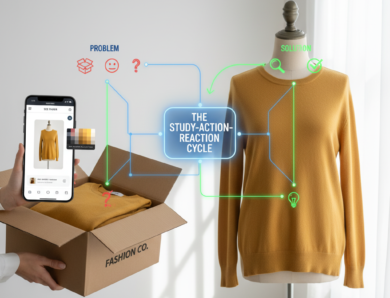
- Custom-Engineered Sizing and Fit Technology Top-tier brands are moving beyond static charts. The protocol involves AI-Powered Fit Finders that synthesize purchase history and body measurements, alongside 3D Body Scanning and virtual avatars. These engineered fitting rooms reduce return rates by up to 40% by eliminating “size guessing.”
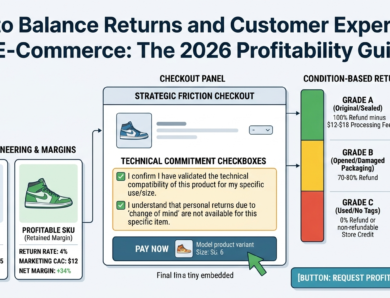
- Segmented and Predictive Return Journeys Your return logic must be as dynamic as your customer base. By utilizing Segmented Policies, brands can offer frictionless exchanges to high-LTV loyalists while implementing mandatory digital inspections for high-risk profiles or “serial returners.”
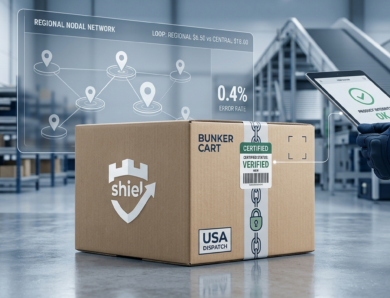
- Localized and P2P Reverse Logistics To neutralize interstate shipping costs, custom engineering enables Localized Returns and Peer-to-Peer (P2P) models, where an item is shipped directly from the returner to the next buyer in the same region, eliminating warehouse touchpoints and preserving margin.
DIRECTOR’S NOTE: Reality vs. Mass Automation
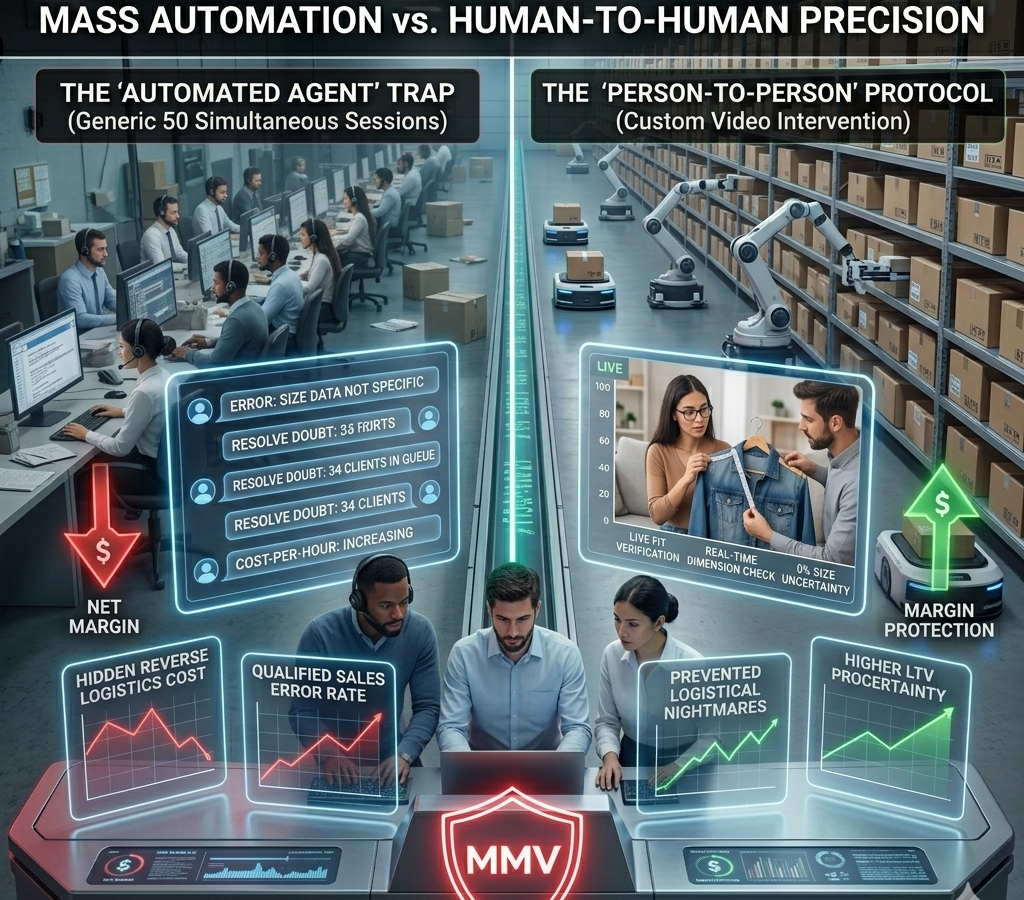
In the race for scale, many eCommerce owners fall for the trap of mass automation. They deploy AI agents or chatbots capable of “handling” 50 people at the same time. On paper, it looks like a saving; in reality, it’s a qualified sales error factory.
Let’s look at the math: Every time an automated agent fails to resolve a specific doubt, you aren’t just losing a sale; you are generating a high-cost return. The hidden cost of these failed interactions—including return shipping, inspection labor, and the agent’s hourly salary—is a silent killer of your profit.
In 2026, we are returning to the Human-to-Human Precision.
Imagine a real person via video conference, resolving specific doubts about actual sizing, verifying if the product meets a client’s standards, or confirming if the dimensions are exact. This is Person-to-Person intervention—eliminating uncertainty and stopping costly returns before the box ever leaves the warehouse.
Everything is valid, but its success depends on your store’s specific anatomy, not the latest trend. Custom engineering is the only way to shield your future.